
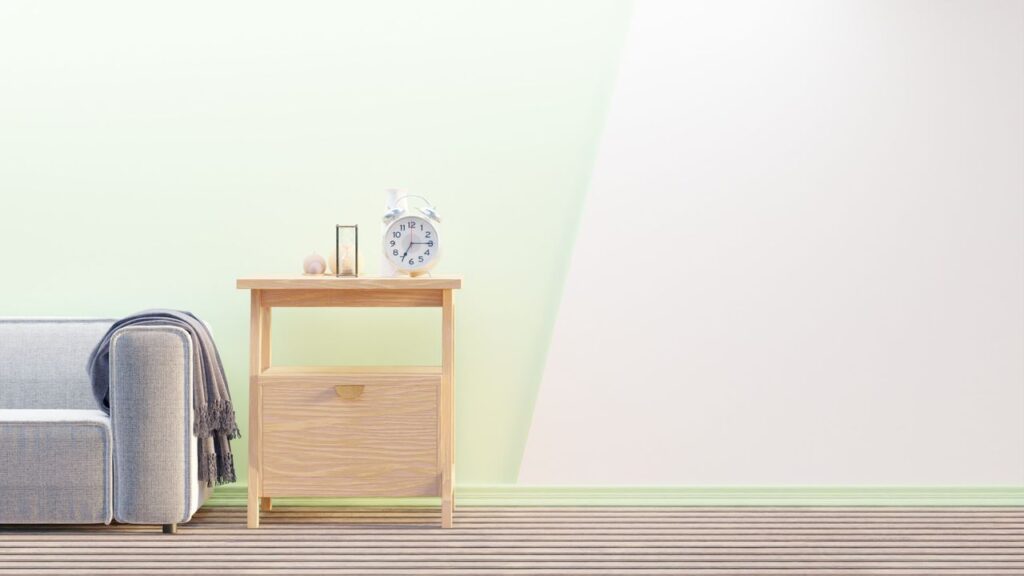
When choosing furniture for a home, office, or commercial space, the material plays an important role in determining appearance, durability, maintenance, and overall value. Among the most popular choices, wood furniture and metal furniture each offer unique advantages and design characteristics.
Wood furniture is known for its natural warmth, timeless appearance, and ability to create a comfortable living environment. Metal furniture is recognized for its strength, modern style, and industrial durability. However, the better choice depends on your space, lifestyle, design preferences, and long-term expectations.
In this guide, we will compare wood furniture and metal furniture across key factors, including durability, design, maintenance, sustainability, and practical applications, helping you choose the right option for your home.
Understanding Wood Furniture
Wood furniture has been used for centuries because of its natural beauty, versatility, and ability to bring warmth into interior spaces. It is available in various styles, from traditional solid wood designs to modern minimalist furniture.
Common wood furniture products include:
- Wall shelves
- Nightstands
- Cabinets
- Tables
- Storage organizers
- Decorative furniture
Natural wood features unique grain patterns, textures, and colors, making each piece visually distinctive. Different wood species also provide different characteristics in terms of hardness, appearance, and durability.
Understanding Metal Furniture
Metal furniture is widely used in modern interiors, industrial spaces, and commercial environments due to its strength and clean appearance. Materials such as steel, aluminum, and iron are commonly used to create durable structures.
Common metal furniture applications include:
- Office furniture
- Industrial shelving
- Storage systems
- Outdoor furniture
- Modern home accessories
Metal furniture often features minimalist designs with simple lines, making it popular in contemporary and industrial-style interiors.
Durability Comparison
Wood Furniture
High-quality wood furniture can provide excellent durability when properly manufactured and maintained. Solid wood products are especially valued because they can withstand years of daily use while developing a natural appearance over time.
Wood also offers the advantage of being repairable. Scratches, dents, and surface damage can often be repaired through sanding, refinishing, or restoration.
Metal Furniture
Metal furniture is known for its exceptional structural strength and resistance to heavy use. Steel and aluminum structures are commonly selected for applications requiring high load capacity and long service life.
Metal is particularly suitable for environments where furniture needs to withstand frequent movement, heavier loads, or demanding conditions.
Winner:
- Heavy-duty applications: Metal
- Long-term home furniture: Wood and Metal both perform well depending on quality
Design and Appearance
Design is one of the biggest differences between wood and metal furniture.
Wood Furniture
Wood creates a warm, natural atmosphere that works well with many interior styles:
- Scandinavian design
- Modern farmhouse
- Minimalist interiors
- Rustic homes
- Contemporary spaces
The natural grain and texture of wood add character and make spaces feel more comfortable and inviting.
Metal Furniture
Metal provides a clean and modern appearance. It is often used in:
- Industrial interiors
- Modern offices
- Minimalist spaces
- Contemporary homes
Metal furniture usually features sharper lines and a more structured visual style.
Winner:
- Warm and natural style: Wood
- Modern and industrial style: Metal
Maintenance Requirements
Wood Furniture
Wood furniture requires some care to maintain its appearance. Protection from excessive moisture, direct sunlight, and extreme temperature changes can help extend its lifespan.
Regular cleaning with appropriate products helps preserve the natural surface and finish.
Metal Furniture
Metal furniture is generally easy to maintain. Most surfaces can be cleaned with simple wiping, and many metal products include protective coatings to improve resistance against corrosion and wear.
However, untreated metal may require additional protection in humid environments.
Winner:
Metal requires less maintenance, while quality wood furniture offers easier restoration.
Sustainability Comparison
Sustainability has become an increasingly important consideration for modern consumers.
Wood Furniture
Responsibly sourced wood can be an environmentally friendly material. Certified wood products, such as FSC-certified wood furniture, support responsible forest management and sustainable resource use.
Wood is also renewable and can provide a lower environmental impact when sourced and manufactured responsibly.
Metal Furniture
Metal can also support sustainability because many metals can be recycled repeatedly. However, metal production generally requires more energy during initial manufacturing.
Winner:
Both materials can be sustainable when responsibly sourced and manufactured.
Comfort and Living Experience
Furniture is not only about function—it also influences how a space feels.
Wood furniture naturally creates a warmer and more comfortable atmosphere. Its texture and appearance make it especially suitable for bedrooms, living rooms, and personal spaces.
Metal furniture often creates a cleaner and more professional environment. It is commonly preferred for offices, workshops, and modern industrial interiors.
Cost Comparison
The cost of furniture depends on material quality, manufacturing methods, design complexity, and finishing.
Wood furniture prices vary significantly depending on whether it uses solid wood, engineered wood, or composite materials.
Metal furniture costs depend on the type of metal, production process, and finishing treatment.
A high-quality piece of either material can provide excellent long-term value.
Wood Furniture vs Metal Furniture: Quick Comparison
| Feature | Wood Furniture | Metal Furniture |
|---|---|---|
| Appearance | Warm, natural, timeless | Modern, clean, industrial |
| Durability | Excellent with proper care | Excellent for heavy use |
| Maintenance | Requires regular care | Generally low maintenance |
| Repairability | Easy to refinish | More difficult to repair |
| Sustainability | Renewable material | Highly recyclable |
| Style | Traditional to modern | Modern and industrial |
| Best Applications | Homes, bedrooms, living spaces | Offices, workshops, commercial spaces |
Which One Should You Choose?
The choice between wood furniture and metal furniture depends on your specific needs.
Choose wood furniture if you want:
- A warm and natural interior style
- Timeless design
- Comfortable living spaces
- Unique natural textures
- Sustainable material options
Choose metal furniture if you need:
- Maximum structural strength
- Modern industrial aesthetics
- Easy maintenance
- Heavy-duty performance
- Commercial or workplace solutions
For many modern homes, combining both materials creates the best balance. Wood provides warmth and character, while metal adds strength, stability, and contemporary style.
Both wood furniture and metal furniture have their own advantages. Wood stands out for its natural beauty, comfort, and timeless appeal, while metal offers strength, durability, and modern design flexibility.
There is no single material that is better for every situation. The right choice depends on your lifestyle, interior design goals, usage requirements, and personal preferences.
For homeowners seeking a comfortable and stylish living environment, well-designed wood furniture remains an excellent choice. For spaces requiring durability and a modern industrial look, metal furniture provides outstanding performance.
By understanding the differences between wood and metal furniture, you can make a more informed decision and select products that match both your functional needs and design vision.
