
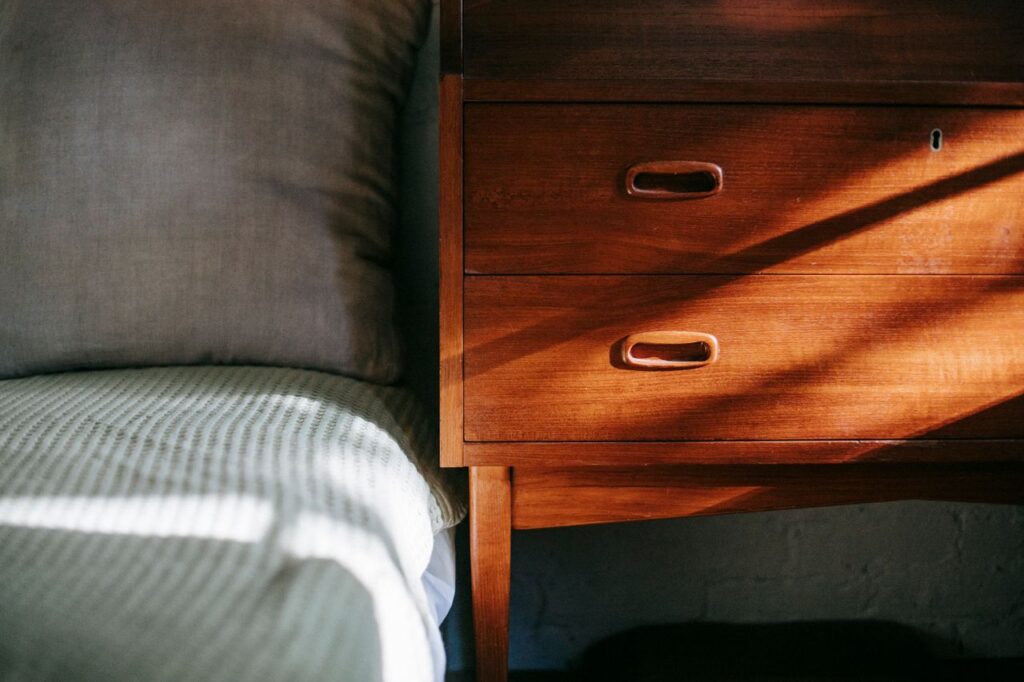
A nightstand is more than just a small table beside your bed. The right bedside table helps organize your bedroom, keeps everyday essentials within reach, and adds style and functionality to your sleeping space.
With so many options available in different sizes, materials, designs, and storage configurations, choosing the perfect nightstand can be challenging. This guide explains the key factors to consider when selecting a nightstand that fits your bedroom, lifestyle, and interior design.
1. Consider the Right Nightstand Size
The first step in choosing a nightstand is finding the right size for your bed and bedroom layout.
A properly sized nightstand should be comfortable to use without making the room feel crowded.
Height
Ideally, the top surface of your nightstand should be close to the height of your mattress.
A nightstand that is too low or too high can make it inconvenient to reach items such as:
- Books
- Lamps
- Phones
- Glasses
- Drinks
For most standard beds, a nightstand height between 20 and 28 inches works well, but the best choice depends on your mattress height and personal preference.
Width
The width of your nightstand should match the scale of your bed.
- Twin or small beds: Compact nightstands are usually enough
- Queen beds: Medium-sized nightstands provide balanced proportions
- King beds: Wider nightstands create a more coordinated appearance
A larger bedroom can accommodate wider bedside tables with additional storage, while smaller spaces benefit from slim and minimalist designs.
2. Choose the Right Material
The material of a nightstand affects its durability, appearance, and overall bedroom style.
Solid Wood Nightstands
Wooden nightstands are popular because they offer:
- Natural beauty
- Long-lasting durability
- Warm and comfortable appearance
- Easy coordination with different bedroom styles
Oak, pine, walnut, and other wood finishes can create different visual effects, from modern minimalist to rustic farmhouse designs.
Engineered Wood Nightstands
Engineered wood options provide a more affordable solution while maintaining a clean and consistent appearance.
They are often used in modern furniture designs because they offer:
- Stable structure
- Flexible finishes
- Cost-effective production
Metal and Mixed Materials
Metal frames combined with wood surfaces create an industrial or contemporary style. These designs are suitable for modern apartments and minimalist interiors.
3. Select a Storage Style That Matches Your Needs
Nightstands come in different storage configurations. The right choice depends on what you usually keep beside your bed.
Open Shelf Nightstands
Open shelves provide easy access and create a lightweight visual appearance.
They are ideal for storing:
- Books
- Decorative items
- Small baskets
- Plants
Drawer Nightstands
Drawer designs help keep personal items organized and hidden.
They are useful for storing:
- Chargers
- Remote controls
- Personal accessories
- Bedside essentials
Cabinet Nightstands
Nightstands with cabinet doors provide more enclosed storage and help maintain a cleaner bedroom appearance.
4. Match Your Bedroom Style
A nightstand should complement your existing bedroom furniture rather than look like a separate piece.
Modern Minimalist Bedroom
Choose:
- Simple shapes
- Clean lines
- Neutral colors
- Functional storage designs
Scandinavian Style Bedroom
Look for:
- Natural wood finishes
- Light colors
- Simple structures
- Practical designs
Rustic or Farmhouse Bedroom
Consider:
- Solid wood construction
- Natural textures
- Traditional details
- Warm finishes
Industrial Bedroom
Metal accents, darker finishes, and mixed materials work well with industrial interiors.
5. Think About Functionality
A beautiful nightstand should also make daily life easier.
Consider these practical features:
Cable Management
Modern bedrooms often require charging space for phones, tablets, and smart devices. Some nightstands include cable openings or hidden charging solutions to keep wires organized.
Stable Construction
A quality nightstand should have:
- Strong joints
- Durable hardware
- Stable legs or base
- Smooth surfaces
This ensures long-term use and better safety.
Easy Maintenance
Choose materials and finishes that are easy to clean and maintain, especially for furniture used every day.
6. Choose a Nightstand That Fits Your Space
Before purchasing a nightstand, measure your bedroom carefully.
Check:
- Available floor space beside the bed
- Distance between furniture pieces
- Door and drawer opening areas
- Overall room balance
For small bedrooms, consider:
- Floating nightstands
- Narrow bedside tables
- Wall-mounted designs
For larger bedrooms, wider nightstands with additional storage can create a more complete furniture arrangement.
7. Consider Matching Nightstands for a Balanced Look
Using matching nightstands on both sides of the bed creates a symmetrical and organized bedroom design.
However, different nightstands can also work well when you want a more personalized style.
A coordinated combination of materials, colors, or shapes can create a stylish and unique bedroom atmosphere.
8. Quality Matters When Choosing a Nightstand
A nightstand is a piece of furniture you use every day, so quality should be an important consideration.
When evaluating a nightstand, pay attention to:
- Material quality
- Manufacturing precision
- Surface finishing
- Hardware durability
- Structural stability
A well-made nightstand provides better appearance, reliability, and long-term value.
Frequently Asked Questions About Nightstands
What size nightstand should I choose?
The ideal size depends on your bed height, bedroom space, and storage needs. Generally, the nightstand surface should be close to mattress height for comfortable daily use.
Should nightstands match the bed?
Nightstands do not have to perfectly match the bed. They should coordinate with your bedroom style through similar materials, colors, or design elements.
Are wooden nightstands durable?
Yes. High-quality wooden nightstands can provide excellent durability and a timeless appearance when properly constructed and maintained.
How many nightstands should a bedroom have?
Most bedrooms use two nightstands for a balanced look, but one nightstand can work well in smaller spaces or minimalist layouts.
What should I keep on a nightstand?
Common bedside items include lamps, books, phones, chargers, glasses, alarm clocks, and decorative accessories.
Final Thoughts
Choosing the perfect nightstand requires balancing size, material, storage, style, and functionality. The best bedside table should not only match your bedroom design but also support your everyday routine.
Whether you prefer a modern minimalist nightstand, a classic wooden bedside table, or a space-saving design, selecting a well-made piece will enhance both the comfort and appearance of your bedroom.
A carefully chosen nightstand is a small investment that can make a big difference in your living space.
